
We all have a little black sheep in us, whether we ever let it out or not. 😏
I've always had a rebellious streak, and I've often been rather fond of it. I like being a black sheep. I like having a mind of my own. And I've never been especially impressed by the argument that I should do something simply because someone else says I should.
That doesn't mean I spent my childhood defying every authority figure in sight. I was actually a good kid. I made good grades, had a job, stayed out of trouble, and even stood up for my brother, who had a considerably harder time of it. I followed the rules when I was young. Children don't have nearly as much freedom as adults sometimes imagine, and if you challenge every instruction, you're going to spend an awful lot of time in trouble.
I grew up during a remarkable period in American history. Racial desegregation, the Vietnam War, the hippie movement, and enormous changes in the expectations placed on women were all part of the world around me.
I was bused across town to another school during desegregation. I understood that fairness was supposed to be the point, but being sent across town didn't necessarily feel fair to me. I didn't feel like I treated African American people any differently than anyone else, but I could clearly see there were a lot of very strong feelings about that. And about war. Like a lot of children, I was encountering the rules and contradictions of the adult world while trying to make sense of them for myself.
As I grew older, I began to understand something that would become increasingly important to me: I didn't have to do everything someone else told me to do. I could choose.
And I liked that enormously.
The pleasure of being a black sheep
Years ago, someone asked if I was going to run the Cooper River Bridge Run. The race was only a couple of weeks away, and before I could answer, my then-husband laughed and said, "No."
Well, that settled it.
You say I can't? I say I can and will.
I ran the race and had my best time of the two times I'd run it at that point. Sometimes rebellion is just rebellion. I thoroughly enjoyed proving him wrong.
But the freedom to make my own choices became about much more than proving somebody wrong. I wanted to decide who I was going to be, what I would do, and how I would live. I didn't want those decisions made for me by my family, my religion, my husband, or the prevailing opinion of the flock.
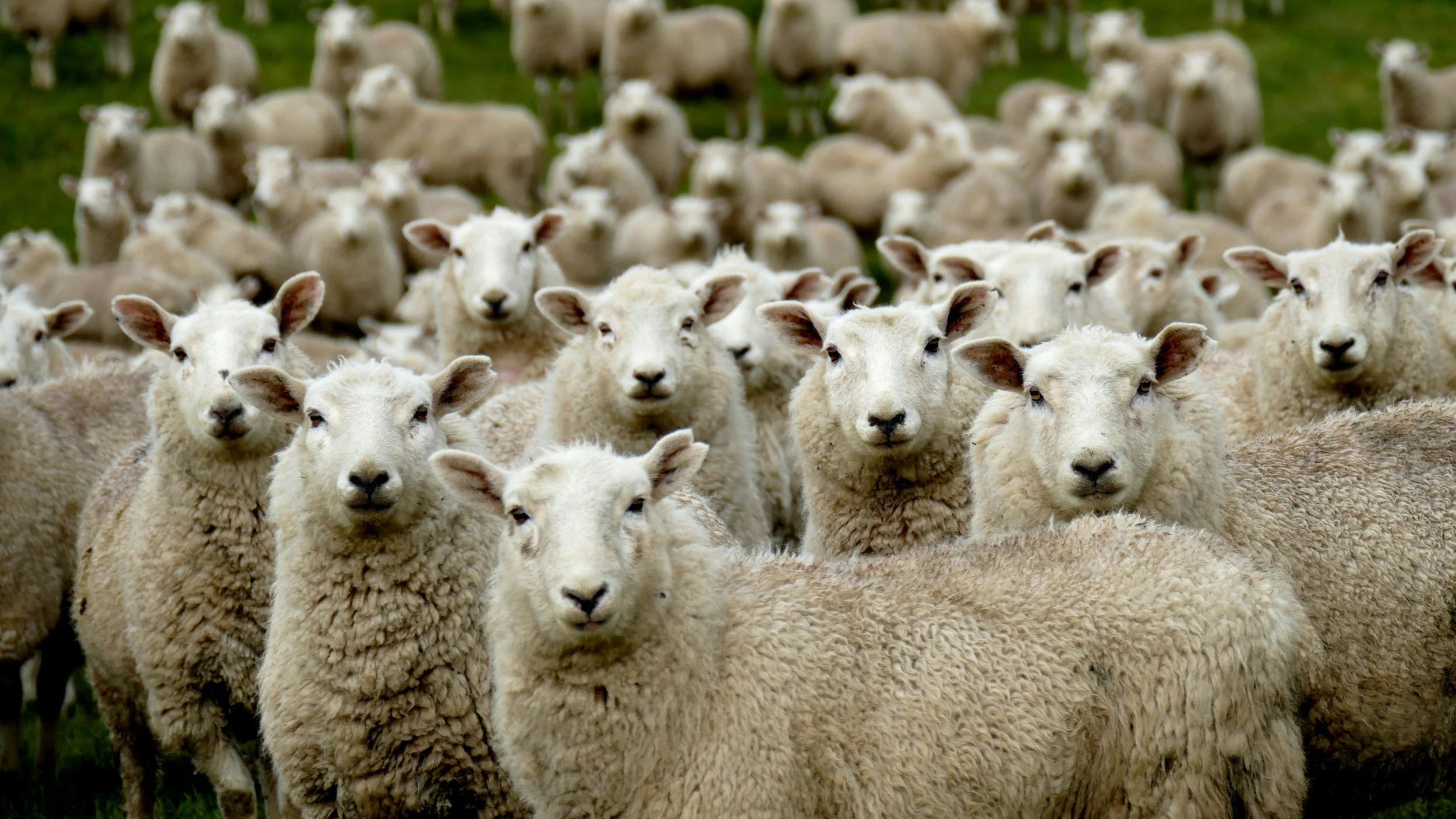
I wasn't trying to become a white sheep. I wanted to be a black sheep.
And if that made the white sheep uncomfortable? Well, GOOD. I'm not being black to make you uncomfortable. I'm simply black. Sit with it.
Of course, having a mind of my own didn't mean I had everything figured out. Far from it. I wanted autonomy, but I also wanted to be loved and to belong. I wanted to be seen, celebrated, and valued for who I was. Mess and all.
Those desires aren't contradictory. We can want the freedom to be ourselves and still want someone to love the person we've chosen to be. I think we all long for unconditional love and belonging. We hear about it all our lives, and we're generally led to believe that our families are where we'll find it. But what happens when we don't receive the love and acceptance we long for and instead receive judgment?
I think I spent more of my life believing I was too much than believing I wasn't enough. And perhaps, after enough disappointment, I became willing to give people a real reason not to choose me. At least then I might understand why. And isn't that the question we're always asking?
What I didn't always understand was how much of my behavior was being shaped by conditioning I hadn't yet recognized.
The business of being chosen
Long before we're old enough to make meaningful choices about our lives, we're learning what earns approval.
We're rewarded for being good, doing well, winning, pleasing adults, and meeting expectations. We learn what makes a girl respectable, what makes a woman desirable, what constitutes success, and what we're supposed to do to be loved.
I was a very good athlete. I loved competing, and I loved winning. I enjoyed being recognized for what I could do. I also knew what it felt like to be passed over, to watch friendships change, and to discover that accomplishment didn't necessarily guarantee belonging.
Later, I became exceptionally accomplished in yoga asana. I took enormous pride in my practice, and I believed my abilities said something important about me as a yoga teacher.
I liked being good at things. I still do. But accomplishment and autonomy don't make us immune to the desire to be chosen.
I made choices in my younger years that I now recognize were driven by a longing for affection, attention, and approval. Some were selfish. Some were foolish. Some hurt people I loved. I don't need to pretend otherwise.
I sometimes confused being attention and being chosen with being loved. I didn't always recognize what was driving my behavior, and I certainly didn't possess the understanding I have today.
But eventually, I began to judge those choices with a severity that went far beyond acknowledging my mistakes. I decided I had sinned. The church confirmed it. Not simply that I'd done things I regretted, but that I had sinned and needed to be redeemed, saved, purified.
And that conviction followed me into my spiritual life.
And I called it purification
I grew up in a Christian tradition that taught me I was born a sinner. That's quite a thing to tell a child before she's had much opportunity to do anything wrong.
By the time I began seriously pursuing yoga and spiritual practice, I'd already absorbed a great many ideas about goodness, worthiness, wrongdoing, and what a person must do to become acceptable. To be worthy of being chosen, loved, or helped.
Yoga changed my life. It saved my life, over and over.
I began examining my behavior and the workings of my mind with an intensity that had never occurred to me before. I acknowledged the harm I'd caused, made amends where I could, and undertook demanding spiritual disciplines.
My devotion to the Divine Mother became the center of my life. It was genuine, profound, and remains so today. Through that relationship, I came to know a love unlike anything I'd experienced in my human relationships. A love that wasn't dependent upon my accomplishments, my mistakes, my reputation, or whether someone approved of the choices I'd made.
I loved HER. I still do. AND SHE LOVED ME.
But there was something else happening alongside that devotion. For five years, I fasted regularly, sometimes going 36 to 52 hours without food. I believed I needed to purify myself because of my choices and lifestyle. I was, in essence, punishing myself.
And I called some of that punishment purification. It has taken me a very long time to recognize the difference.
There is a legitimate place for discipline, austerity, and purification in spiritual practice. I don't dismiss any of that, and I don't regret the path that brought me into such a deep relationship with the sacred. But sincere devotion and deeply ingrained conditioning can coexist.
I was pursuing freedom while carrying around a conviction that I deserved to suffer. No one had to stand over me demanding more. I was perfectly capable of demanding it from myself. I could endure discomfort, practice longer, work harder, and hold myself to standards I would never have imposed on someone I loved.
The irony is rather extraordinary. I'd spent so much of my life resisting other people's authority, insisting upon my right to choose for myself. And yet I'd appointed myself judge, jury, and executioner.
No flock could have punished me as thoroughly as I punished myself.
The conditioning we never question
We like to believe we're making independent decisions, and sometimes we are. But how much of what we choose is influenced by beliefs we've never examined?
We pursue relationships, achievement, recognition, security, and success. We make ourselves useful, attractive, generous, agreeable, indispensable, or extraordinary. And when none of those things delivers the lasting sense of worth we hoped for, we try harder.
We may have enormous freedom in the world and remarkably little freedom from the judgments operating within our own minds. I wonder how many people ever have enough stillness in their lives to recognize what's driving them.
We're so busy. Even our children are busy. Every hour seems to require an activity, an achievement, or some form of improvement. But without stillness, how do we begin to see the mind clearly?
This is one of the great gifts of meditation. We become quiet enough to observe the thoughts, beliefs, and patterns that have been shaping our lives, often without our knowledge.
And what we discover may not be particularly flattering. I certainly discovered things about myself that weren't. But I also discovered that seeing something clearly doesn't require condemning the person who has been carrying it.
Yoga offers something far greater than the opportunity to examine our conditioning, however. Its ultimate promise is freedom from the limitations of the individual self and the discovery of our connection to something infinitely greater.
For me, that connection is not an abstract philosophical idea. It is my relationship with the Divine Mother. HER love is the unconditional love I had searched for in the world, and I have come to understand that connection to something greater than ourselves IS the solution.
Yet even with that love present in my life, I continued carrying judgments about myself that had been formed long before I truly knew HER.
That understanding took much longer to arrive.
A little mercy for the black sheep
Recently, during Navaratri, the ten-day celebration of the Divine Mother and the triumph of good over evil, I found myself looking at my earlier life with an understanding I hadn't been able to offer myself before.
I saw how relentlessly I'd judged the woman I had been. I'd expected her to possess the wisdom that took me decades of living, loving, suffering, and spiritual practice to acquire.
How could she? That question stopped me.
I wasn't suddenly innocent of everything I'd done. I still had to own my behavior and its consequences. But I'd been confusing responsibility with a lifetime sentence. I'd held myself accountable, which was appropriate. Then I'd continued punishing myself long after accountability had served its purpose. And so did others, namely my family.
I saw how hard I had worked to become good and lovable in their eyes. To be included and, dare I say, forgiven.
I had never seriously considered releasing the prisoner I had become. And I began to wonder what might happen if I did. What if I could acknowledge the whole of my life without putting myself on trial again? What if I could recognize that the woman I once was did the best she could with the understanding she had, even when her best was inadequate, foolish, or hurtful? What if I could wish she'd done some things differently without wishing her away?
I've had enough harsh.
I've experienced serious injuries, difficult losses, and circumstances that demanded enormous resilience. I've also devoted years to disciplines that required extraordinary persistence. I know how to endure.
What I'm learning now is that I don't have to keep proving it. I can take responsibility for my choices without continuing to punish myself for being imperfect, for simply being human like the rest of us.
And perhaps the most remarkable part of this realization is that I have spent years in the presence of a love that never demanded such punishment in the first place. SHE wasn't withholding HER love until I had become sufficiently good or sufficiently purified. I was the one continuing to impose conditions upon myself.
There is a difference between knowing that love and allowing it to reach the places within us where we have been most unforgiving. Something shifted for me during Navaratri. I began to see the younger woman I'd judged so harshly through a different understanding, one that had room for both responsibility and compassion.
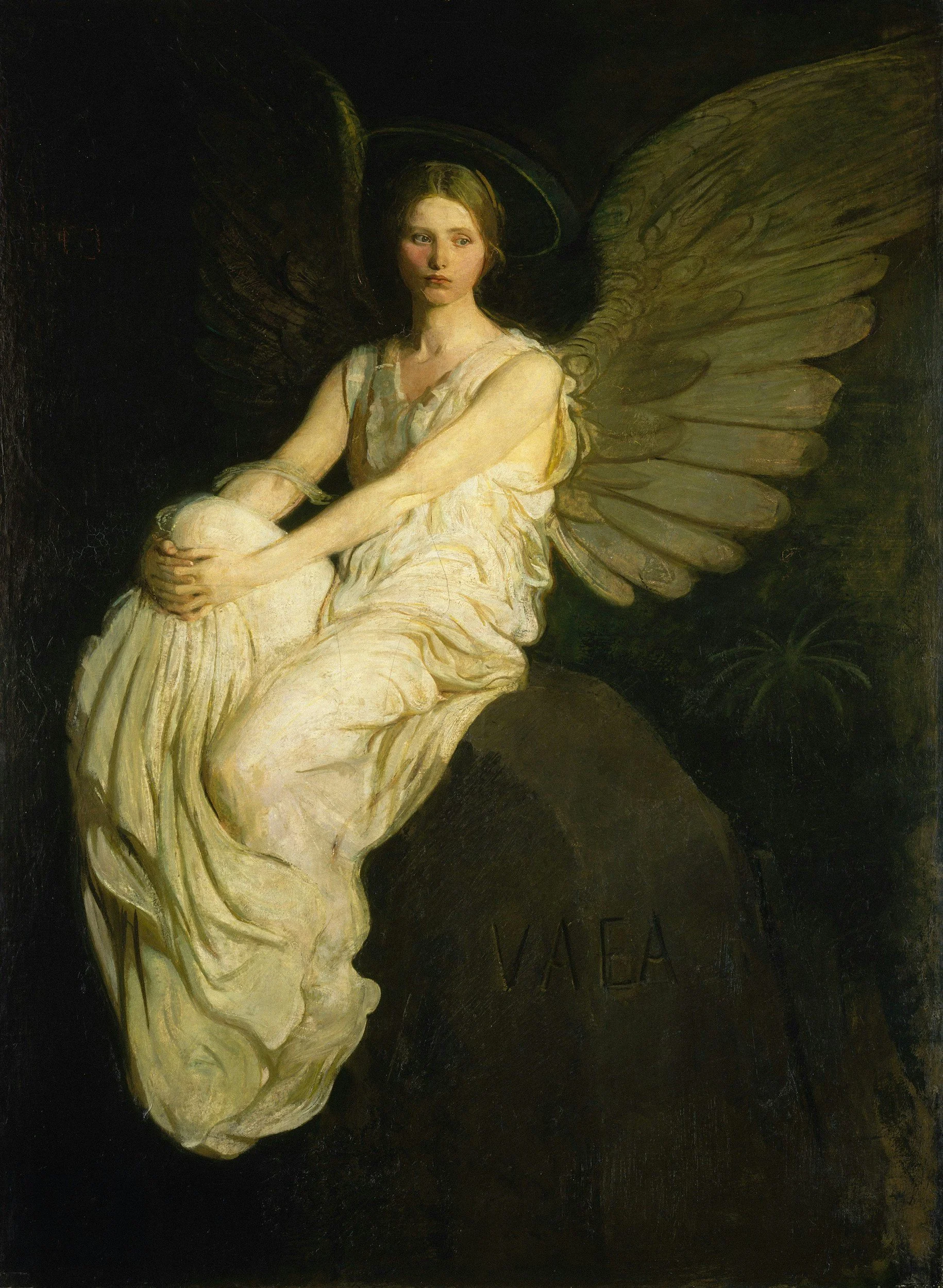
Perhaps this is another expression of the autonomy I've valued for so long. I can reconsider the judgments I've made about myself. I can choose mercy.
The black sheep finds her place
I've been enjoying an image of Kali, the fierce and magnificent Divine Mother, sitting quite comfortably on a golden throne, surrounded by sheep. Almost all of them are white. One is black.
I love that image. Kali is something of a black sheep among goddesses herself. Fierce, outrageous, misunderstood, and sometimes feared. Too much? Oh, absolutely. No wonder I love HER. We're kindred spirits, no doubt.
And there, nestled comfortably beside HER throne, is the black sheep. She's black. Quite black. And she seems perfectly pleased about it.
There was a time when I would never have considered that I might occupy a throne myself. Who did I think I was? But why not? I've lived, loved, suffered, made mistakes, taken responsibility, and worked hard to become the woman I am. What if I've earned my place just like anyone else?
And then it occurred to me. I've taken the throne of my own being. And who occupies the throne? The queen, of course. I am now the queen of my own soul. How perfect.
The black sheep doesn't need to be declared superior to the flock. She doesn't need to convince the white sheep to become black, either. She can love them. She can enjoy their company. She can share some of their values. She simply doesn't have to become one of them. And she certainly doesn't need to apologize for having a mind of her own.
I still love being rebellious. I expect I always will. Tell me I can't do something, and there's a very good chance I'll want to show you otherwise. Sometimes I'll be right. Sometimes I'll make a spectacular mess of things.
I've been generous and selfish, wise and foolish, loving and difficult. I've accomplished things I'm proud of and done things I regret. My life has been full, messy, painful, beautiful, occasionally outrageous, and profound.
And I rather like the woman who's lived it.
I don't wish away my history. The mistakes are part of the story, just as surely as the accomplishments, the heartbreak, the devotion, and the joy. I wanted the freedom to choose who I would become. I claimed it, sometimes wisely and sometimes not.
Now I want the freedom to be at peace with the woman those choices have made. Whatever the flock may think of her, she belongs to something infinitely greater. She always did.
The black sheep can finally stop trying to earn her own approval.
As for the white sheep? They can think whatever they like.
I'm sitting with Kali and the black sheep.
And a very Happy Birthday to me! 🖤🐑👑🎂